


Articles

Change over and Oil analysis as a maintenance tool
Performing used oil analysis is a great tool to examine the effectiveness of your oil and the condition of your equipment components. It is used to extend equipment life and evaluate lubricants and filters. In this article we explain the most important factors.

Lubrication solutions for the fish & seafood industry
The fish and seafood industry is a heavy-duty industry, where lubricants suffer while operating under harsh marine environments where exposure to saltwater and constant humidity can pose significant challenges.

Lubricant performance in hot weather
Changing seasons may mean changing lubricants as hot weather can impact your lubricant’s life and performance.
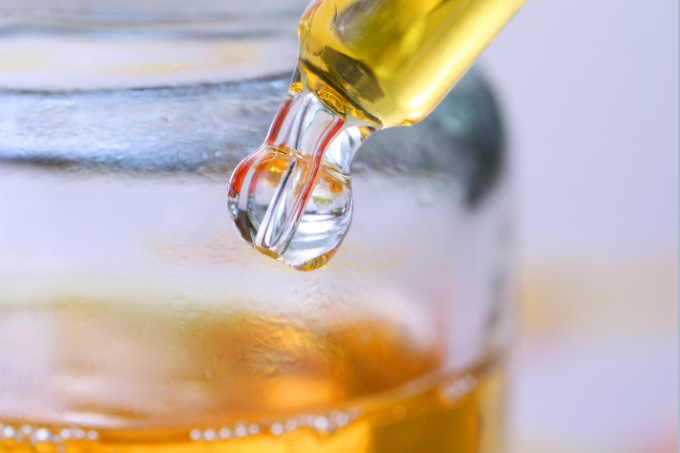
Oil analysis procedure and guidelines
To garner the most accurate results from an oil analysis, maintenance and production engineers should follow these guidelines for taking oil samples from machinery:

How the right lubricants save energy and how to measure effectiveness
As energy costs continue to rise, energy consumption becomes a greater and more immediate concern to every company’s profitability. Electric motors power most plant machinery and energy costs are often the largest expense of operating rotating equipment.
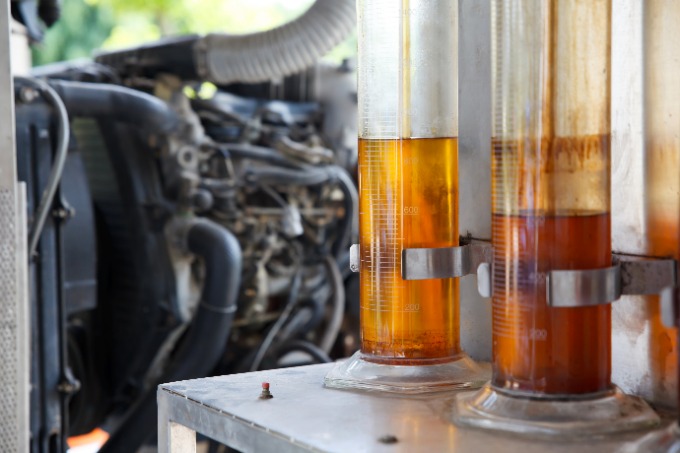
The importance of regular oil analysis
Oil analysis is a routine activity for analyzing oil health, oil contamination and machine wear. It should be a key aspect of any preventive maintenance program.

What to do when a lubricant foams?
Foam should be avoided as it can damage machine components. When foam enters the suction line of a pump, blocking the oil flow, it can lead to oil starvation, compressibility problems and vapor lock. Alongside the operational problems foam creates, it can also cause safety issues and accelerated lubricant oxidation which then leads to increased oil change intervals and oil consumption.

Get ready for the New Year lubrication tips
Get ready for the New Year with our top 5 lubrication tips. Here is the summary of our advice on how to achieve and maintain lubrication excellence and to get ready for the New Year with a fresh start.
Grease in applications containing water
Lubricants absorb water to different degrees depending on the lubricant type and as most oils have low resistance to water absorption, greases are usually applied where conditions are humid or watery and good water resistance is required.